Tuesday, July 14, 2015


Saturday, July 11, 2015
Z. Smith Reynolds Foundation: Roots of Radicalism -- Susan Myrick
Z. Smith Reynolds Foundation: Roots of Radicalism
Susan Myrick

Z. Smith Reynolds, in a photo from the Reynolda House Museum of American Art.
The Z. Smith Reynolds Foundation hasn’t always been the largest funder of liberal activist organizations in North Carolina. But just as the Reynolds family moved away from the legacy of its founding patriarch, in time the foundation abandoned its roots in free-market innovation and success to embrace an array of left-wing causes and dogmas.
The Foundation began as a tribute to its young namesake. In the early years, the Foundation was best known for its philanthropy in traditional areas, such as education, historical preservation, the arts, and building hospitals.
The transition the Foundation made to becoming one of the nation’s elite funders of the Left, and the dominant funder of North Carolina’s liberal and radical causes, began slowly and seemed to pick up steam in the mid to late 1900s, culminating in an announcement in 2002 that the foundation was going to “make sweeping changes in grant making.” The announcement made it clear that the new focus would be on the buzzwords of social, economic and environmental “justice” and backing progressive public policy.
“How does it happen?” is hands-down the most-often asked question when discussing foundations that stray from their original mission and move to funding liberal organizations. In this case, the original funding organization was founded with the money from the hard work and vision of one of America’s most successful free-market industrialists – R.J. Reynolds. When did it begin to cater to groups that attack free enterprise?
In the matter of Z. Smith Reynolds Foundation, the inner circle likes to point all the way back to Katherine Smith Reynolds, the wife of Reynolds Tobacco’s founder, R.J. Reynolds. She encouraged better education and better housing conditions for the company’s workers. However, that type of humanitarianism is a far cry from today’s extreme and sometimes radical progressive activism that most groups today try to sugarcoat with benign and benevolent-sounding names.
The simple answer to “How does it happen?” is that foundations’ missions and philosophies change when their boards change. This phenomenon has become so prevalent that many of today’s more conservative foundations have included “sunsetting” clauses in legally binding agreements in order to protect donor intent. “Sunsetting” or a “spend down” is the act of spending down all of a foundation’s assets in a set period of time. The Z. Smith Reynolds Foundation’s history is a classic example of what happens when philanthropic ventures continue too long, allowing the founder’s original vision to be lost.
In this case, too, a family history that could have come from a novel casts a shadow over all that followed.
In 1874 Richard Joshua Reynolds, better known as R.J. Reynolds, moved to North Carolina to start his own tobacco company. It didn’t take the 24-year-old long to build an empire. A page on the RJR website details the impact of Reynolds’ leadership on the tobacco industry. According to the website, Reynolds Tobacco Company established many industry standards. It was the first to offer the 20-cigarette pack and the 10-pack carton. Reynolds Tobacco was also the first company to package cigarettes with a moisture-proof, cellophane wrap. To say that Reynolds revolutionized the tobacco industry would be an understatement. At the time of his death in 1918, Reynolds’ company employed more than 10,000 people and was the top taxpayer in the state, contributing $1 of every $2.50 in state income taxes. (Winston-Salem: A History, by Frank V. Tursi, p. 196-197.)
In 1905, Reynolds married Katherine Smith, his first cousin’s daughter. He was 55 years old; she was 30 years his junior. Thirteen years and four children later, R.J. Reynolds died from pancreatic cancer. His oldest child, Richard Joshua Reynolds Jr., was 12 years old and his youngest child, Zachary Smith Reynolds, was only 7. His daughters, Mary Katherine and Nancy Susan, were 10 and 8. Three years later (1921), their mother married J. Edward Johnston, the school superintendent at Reynolda Village, the farm community and self-sufficient estate that Katherine Reynolds was credited with planning and where she and R.J. had built Reynolda house, the “60-room bungalow” of her dreams. Three years later, in 1924, after giving birth to another son (J. Edward Johnston Jr.), Katherine Smith Reynolds died of an embolism, leaving her children, all under the age of 18, in the care of their uncle, William Neal Reynolds, R.J.’s brother.
The Foundation’s namesake, Z. Smith Reynolds, was 13 years old. Barely five years later, when he had just turned 18 (1929), he eloped and married Anne Ludlow Cannon, heir to the Cannon Mills fortune. Reynolds and Cannon were divorced two years later after the birth of their daughter, Anne Cannon Reynolds. Just six days after the Reno, Nevada divorce, Smith married a popular torch singer and Broadway star, Libby Holman. Numerous accounts claim Smith had pursued Holman for months.
The marriage lasted less than eight months. Z. Smith Reynolds died of a gunshot wound to his right temple after a party at Reynolda House on July 6, 1932. Mystery has clung to his death ever since.
Did he commit suicide? Or was he murdered? Z. Smith Reynolds has been described as immature, impulsive, sensitive, quiet and restless. He even reportedly threatened to kill himself if Holman had refused to marry him. In stark contrast, according to a 2013 Winston-Salem Journal article, when his uncle was notified of his death, William Reynolds told the press, “I saw the boy a week ago at his home in North Carolina. He seemed the sensible, level-headed boy that I have always known and was extremely interested in flying.” Yet William went on to say that he was “convinced that it was his (Z. Smith’s) act and that no one else had a hand in it.”
These statements seem curious in light of the fact that authorities first thought that Z. Smith Reynolds committed suicide, but later charged Holman with murder and also charged Smith’s high school friend Albert (“Ab”) Walker as an accessory to murder. William Neal Reynolds asked prosecutors to drop the charges and eventually they did, citing lack of evidence.
Z. Smith Reynolds’ older sisters were both married and living in New York when he died. His oldest sister, Mary Katherine Reynolds, was described as one of the richest women in the world when, in 1936, she inherited $30 million from her father’s estate. She married Charles Henry Babcock and they had four children: Mary Katherine (Mountcastle), Charles Henry, Barbara Frances (Millhouse), and Betsy Main. When the elder Mary Katherine died in 1953, the Mary Babcock Foundation was established with $12 million from her will. The Mary Babcock Foundation over a 10-year period gave nearly $5 million to liberal and radical groups in North Carolina. Unlike the Z. Smith Reynolds Foundation, which focuses its giving in North Carolina, the Mary Babcock Foundation gives mostly to out-of-state organizations, and over the same 10-year period gave more than $50 million to out-of-state liberal activist groups.
Z. Smith Reynolds’ other sister, Nancy Susan Reynolds, married Henry Walker Bagley and they had five children: Walker, Nancy Jane (Lehman), Smith Walker, Susan (Bloom) and Anne Katherine (Grant). Nancy was perhaps the most radical and activist of her generation of the family. In 1952 she founded the Nancy Reynolds Bagley Foundation, which later changed its name to ARCA. According to a 2011 article written by Matthew Vadum, “ARCA has been on the cutting edge of radical left-wing causes, embracing Fidel Castro’s Cuba, the Palestinian cause, Saul Alinsky-inspired community organizing, and the never-ending social justice campaigns of the Left.” Vadum goes on to explain that although ARCA is not a large foundation, it makes up for its size by “the focus and intensity of its giving to radical organizations.”
The oldest of R.J. Reynolds’ sons, R.J. Reynolds Jr., was “chained to a tree” on the African coastline, detoxing after a drinking binge when he was told of Z. Smith’s death. That account is from Patrick Reynolds, R.J. Reynolds Jr.’s son. Before Z. Smith’s death, Patrick wrote, his father was a playboy who funded Broadway shows. After Z. Smith’s death, R.J. Jr. entered Democratic politics and was elected mayor of Winston-Salem. He took a leading role in steering the finances of the national Democratic Party and is credited with assisting the successful election efforts of two presidents, Franklin Roosevelt and Harry Truman.
Four years after Z. Smith’s death and after several legal battles, his siblings founded the Z. Smith Reynolds Foundation as a memorial to their late brother. Using his estate, they established a trust for “charitable works in the State of North Carolina.” Their Uncle William was an original member of the foundation’s board of trustees, and when he died in 1951, a trust was formed that provides some of the philanthropy’s annual revenues. The trusts today are worth nearly $500 million.
Nearly 80 years after the formation of the Z. Smith Reynolds Foundation, seven of the 13 board members are related to the first R.J. Reynolds. This scenario is in stark contrast to the Ford Foundation where, in 1976, Henry Ford’s grandson, Henry Ford II, found himself out-numbered on the board and in his resignation “excoriated the trustees for using Ford funds to support left-wing causes while abandoning the commitment to free enterprise that had made possible the profits from which the foundation was created and the funds that it dispensed in its grants.”
Yet though the Reynolds family maintains control of the Z. Smith Reynolds Foundation, it has strayed far from its original legacy. A clue for the reason behind this ideological shift can be found in this statement by Patrick Reynolds, R.J. Reynolds, Jr.’s son and the family’s anti-smoking activist: “No descendant of founder R.J. Reynolds devoted their career to working in the company; only Aunt Nancy’s son Smith Bagley worked there for a time, but did not rise to a top position, and soon left. Just one second cousin has worked for the company.”
In a continuing series of articles, we will do our best to discover what drives this foundation. We will do this by focusing on Reynolds descendants who continue to work as members of this contentious group.
Thursday, July 9, 2015
ObamaTrade Will Export Sexual Deviancy
ObamaTrade Will Export Sexual Deviancy President Obama has appointed no less than seven openly homosexual and intersexed - whatever that is - ambassadors to push his agenda around the world.
They are salivating over the prospect of Republicans giving the president another weapon to use in promoting and advancing the worldwide normalization of the infamous crime against nature.
Saturday, July 4, 2015

Friday, June 19, 2015
HISTORIC CHARLESTON AFTERMATH -- QUIET NOBLE GRIEF WITHOUT VENGEANCE. HERE THE HOLY SPIRIT REIGNS.
HISTORIC CHARLESTON AFTERMATH -- QUIET, NOBLE GRIEF WITHOUT VENGEANCE. HERE THE HOLY SPIRIT REIGNS.
By Verne Strickland June 19, 2015
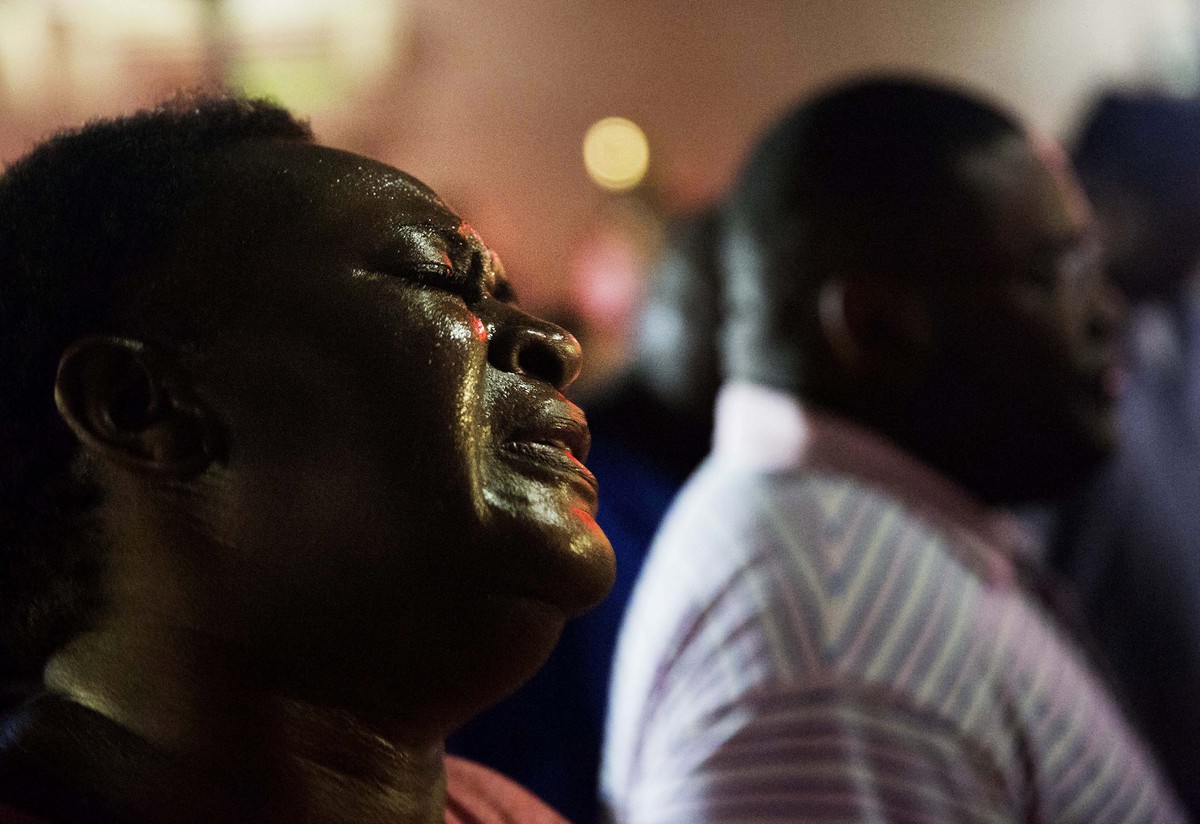
The heartfelt, grief-stricken vigils go on. The sirens don't sound. This isn't Ferguson. Shots don't ring out. This isn't Baltimore. Flames set by arsonists don't lick at the fronts of businesses.
This isn't Cleveland, St. Louis or Los Angeles. It's different here. This is Charleston. Proud Charleston. The loudest voices heard ring out from a choir in the historic AME Church -- scene of ghastly murders of nine congregants only hours before.
What is the difference between this stately city in South Carolina's Lowcountry region and the steamy ghettos where other black Americans were gunned down? The difference may not be a place. Rather it is a spirit -- the spirit of tolerance, forgiveness and deep but consoling grief.
The difference, friends, is Christian strength and acceptance. Al Sharpton's bigoted harangues do not hold sway here. Jesse Jackson's snide and morose racial exhortations fall on deaf ears attuned only to saintly spirituals and prayers beamed toward heaven's gates.
Any hatred was consumed in the flash of a gun wielded in the heat of prejudice. There is no need for violence to beget more violence. In this lofty sanctuary where Jesus Christ is worshiped and glorified, love conquers all.
As I wrote in a previous article about this unique place: “What has happened in old Charleston was tragic and sinister. What didn’t happen is a miracle of God.”
This isn't Cleveland, St. Louis or Los Angeles. It's different here. This is Charleston. Proud Charleston. The loudest voices heard ring out from a choir in the historic AME Church -- scene of ghastly murders of nine congregants only hours before.
What is the difference between this stately city in South Carolina's Lowcountry region and the steamy ghettos where other black Americans were gunned down? The difference may not be a place. Rather it is a spirit -- the spirit of tolerance, forgiveness and deep but consoling grief.
The difference, friends, is Christian strength and acceptance. Al Sharpton's bigoted harangues do not hold sway here. Jesse Jackson's snide and morose racial exhortations fall on deaf ears attuned only to saintly spirituals and prayers beamed toward heaven's gates.
Any hatred was consumed in the flash of a gun wielded in the heat of prejudice. There is no need for violence to beget more violence. In this lofty sanctuary where Jesus Christ is worshiped and glorified, love conquers all.
As I wrote in a previous article about this unique place: “What has happened in old Charleston was tragic and sinister. What didn’t happen is a miracle of God.”
Thursday, June 18, 2015
CHARLESTON DOESN' T REPRESENT THE U.S. -- BUT IT WOULD BE A COMPLIMENT IF IT DID.
WHAT HAPPENED IN CHARLESTON WAS TRAGIC. WHAT DIDN'T HAPPEN IS A MIRACLE.
By VERNE STRICKLAND usa dot com June 18, 2015
Lots of conflicted feelings run through me this evening as I hear the news of the horrible mass shooting at the historic AME Zion Church in Charleston, SC.
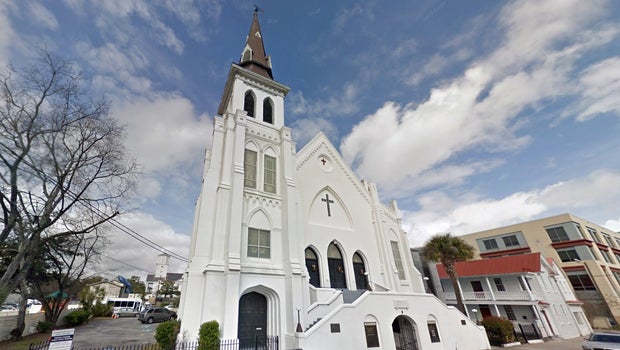
Watching NBC News tonight, I was impressed by the comments of South Carolina Democratic Congressman James Clyburn, who was interviewed by Savanna Guthrie.
He spoke in the main as a peacemaker, describing how the multi-racial congregation sat -- not in racial clusters during services there -- but in randomly dispersed fashion, black and white comfortably shoulder to shoulder.
“Racial harmony in Charleston, after bleak years, began in the churches. And the path back for us will begin there again,” he said.
U.S. Senator Tim Scott (R-SC) did not evidence bitterness in his comments as he spoke with Greta Van Susteren of Fox News. Scott came before cameras in Charleston, where he had taken part in a service of reconciliation.
“There has been a sad history of racial strife here in the past,” he said, “but if you want to see the future of togetherness and harmony in Charleston, I beg you to remember our gathering today, where black and white came together holding hands, and prayed for peace and calm. I pray God will grant this prayer.”
Dr. Ben Carson, black Republican contender for the presidency, said the problem isn’t guns, as alleged by President Obama and Hillary Clinton. “The problem that goes to the heart of this matter is the heart itself,” said Carson, a GOP frontrunner. “The change has to start at the roots – families, churches and schools, both black and white.
The problem didn't develop inside the lovely Christian church. It came from outside. And I think that is important. A 21-year-old white man, Dylann Storm Roof, reportedly melted into the church throng, from which position he randomly opened fire at convenient human targets. At last count he had allegedly murdered nine congregants.
A reporter on Greta's Fox News program said that there had been a search of the shooter's home, where racially-charged material were found. Roof has been charged with a hate crime.
What’s my take on all this? Well, as conservative writers are advised when a black mob torches a town or kills a white policemen – that should not condemn the black community at large. I haven’t always made this distinction, but it certainly is true.
So – to Charleston. The despicable actions of one young misguided white man should in no way paint the white race as bigoted and dangerous. Most just want to go about their lives peaceably and not instigate trouble. Innocents are often drawn into the maelstrom through no fault of their own. They would only read about a violent racially-charged act like the one attributed to Dylann Roof. I know they would be horrified by mass murder like this. And angry – no less horrified and angry than when blacks wantonly kill innocent whites, who have not knowlingly provoked an attack. It cuts both ways.
As far as the Charleston tragedy goes, I can expect professional black race-baiters, whose names and reputations are too well-known, to be headed toward this lovely port city to fan the flames of hatred. If they are not on the scene as I write this, they will be. As Chicago’s Rahm Emanuel likes to say: “No good crisis should ever go to waste.”
Early indications give no hint that Charleston will explode in flames, looting and assaults at the hands of roving, lawless blacks and professional agitators. And I hope not. It would serve no purpose but to further distance the black community from the white.
That has not been a concern of those who trashed Ferguson, New York, Baltimore and other vulnerable cities. So there is a scary history where a spark of violence has erupted into a conflagration.
This is not a church matter just because it happened in a church. But because it did, somehow I feel that the Christian hearts of those who visit the House of the Lord will take a forgiving and wise view of where the path should now lead outward from this historic black church in Charleston’s lovely Low Country.
Thank you, Jesus.
By VERNE STRICKLAND usa dot com June 18, 2015
Lots of conflicted feelings run through me this evening as I hear the news of the horrible mass shooting at the historic AME Zion Church in Charleston, SC.
Watching NBC News tonight, I was impressed by the comments of South Carolina Democratic Congressman James Clyburn, who was interviewed by Savanna Guthrie.
He spoke in the main as a peacemaker, describing how the multi-racial congregation sat -- not in racial clusters during services there -- but in randomly dispersed fashion, black and white comfortably shoulder to shoulder.
“Racial harmony in Charleston, after bleak years, began in the churches. And the path back for us will begin there again,” he said.
U.S. Senator Tim Scott (R-SC) did not evidence bitterness in his comments as he spoke with Greta Van Susteren of Fox News. Scott came before cameras in Charleston, where he had taken part in a service of reconciliation.
“There has been a sad history of racial strife here in the past,” he said, “but if you want to see the future of togetherness and harmony in Charleston, I beg you to remember our gathering today, where black and white came together holding hands, and prayed for peace and calm. I pray God will grant this prayer.”
Dr. Ben Carson, black Republican contender for the presidency, said the problem isn’t guns, as alleged by President Obama and Hillary Clinton. “The problem that goes to the heart of this matter is the heart itself,” said Carson, a GOP frontrunner. “The change has to start at the roots – families, churches and schools, both black and white.
The problem didn't develop inside the lovely Christian church. It came from outside. And I think that is important. A 21-year-old white man, Dylann Storm Roof, reportedly melted into the church throng, from which position he randomly opened fire at convenient human targets. At last count he had allegedly murdered nine congregants.
A reporter on Greta's Fox News program said that there had been a search of the shooter's home, where racially-charged material were found. Roof has been charged with a hate crime.
What’s my take on all this? Well, as conservative writers are advised when a black mob torches a town or kills a white policemen – that should not condemn the black community at large. I haven’t always made this distinction, but it certainly is true.
So – to Charleston. The despicable actions of one young misguided white man should in no way paint the white race as bigoted and dangerous. Most just want to go about their lives peaceably and not instigate trouble. Innocents are often drawn into the maelstrom through no fault of their own. They would only read about a violent racially-charged act like the one attributed to Dylann Roof. I know they would be horrified by mass murder like this. And angry – no less horrified and angry than when blacks wantonly kill innocent whites, who have not knowlingly provoked an attack. It cuts both ways.
As far as the Charleston tragedy goes, I can expect professional black race-baiters, whose names and reputations are too well-known, to be headed toward this lovely port city to fan the flames of hatred. If they are not on the scene as I write this, they will be. As Chicago’s Rahm Emanuel likes to say: “No good crisis should ever go to waste.”
Early indications give no hint that Charleston will explode in flames, looting and assaults at the hands of roving, lawless blacks and professional agitators. And I hope not. It would serve no purpose but to further distance the black community from the white.
That has not been a concern of those who trashed Ferguson, New York, Baltimore and other vulnerable cities. So there is a scary history where a spark of violence has erupted into a conflagration.
This is not a church matter just because it happened in a church. But because it did, somehow I feel that the Christian hearts of those who visit the House of the Lord will take a forgiving and wise view of where the path should now lead outward from this historic black church in Charleston’s lovely Low Country.
Thank you, Jesus.
Monday, June 15, 2015
Government Snoops and Banksters Are Cracking Down on Cash.
Banks Quickly Abolishing Your Ability to Use & Store Cash
 Many responsible citizens believe in paying with cash and storing their cash at home, in a bank, or in a safety deposit box. But banks & governments have suddenly become hell-bent on abolishing your use and storage of cash, by restricting the ways you can spend & deposit your U.S. dollars, and reporting countless cash transactions to the police & government. The question is, why? The frightening fact is, our government has recently instituted numerous programs to track your financial accounts anywhere in the world, but tracking cash is much harder. In addition, our government aggressively pursues numerous programs to confiscate citizen savings & wealth without due process, and it’s much easier to confiscate digital accounts. Thus, cash has become a huge target. So you better act now to move your savings & wealth out of cash and financial accounts, and into private physical assets like gold & silver, before you have nothing left to protect.
Verne: I'm not selling anything. Just putting out the alert -- government snoops are in cahoots with banks to see what you got!
Subscribe to:
Posts (Atom)